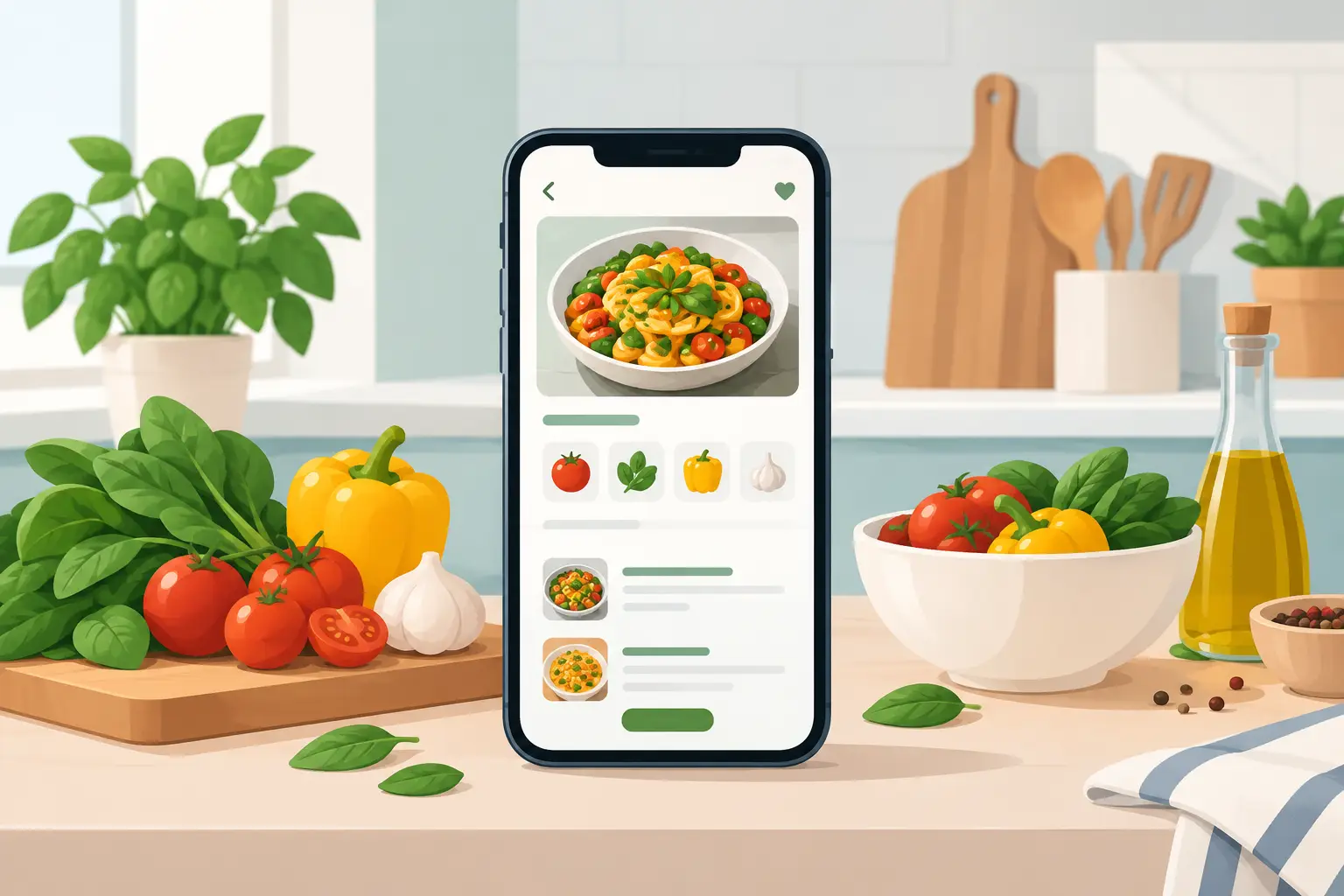
A bag of spinach nearing its last good day, half an onion, cooked rice, and a few eggs should feel like dinner potential, not a refrigerator problem. A useful ingredient based recipe app review starts there: can the app turn what you already own into a realistic meal before it becomes waste?
For busy home cooks, the best ingredient-first apps do more than return a long list of recipes containing “spinach.” They reduce the gap between opening the fridge and getting food on the table. That means understanding partial ingredient matches, handling substitutions, respecting time limits, and helping you use the items most likely to spoil first.
What an Ingredient-Based Recipe App Should Actually Do
Ingredient-based cooking sounds simple. Enter what you have, get a recipe. In practice, the details determine whether an app becomes part of your routine or gets deleted after a week.
A strong app should help you answer three questions quickly: What can I make now? What should I use first? What can I swap without ruining dinner? If it only answers the first question, it may still be useful for inspiration, but it is not doing much to help with food management or grocery waste.
The most helpful experience starts with the ingredients in your kitchen, not with a polished photo of a meal you would need to shop for. You might have chicken thighs, wilted cilantro, canned beans, and a lime. The app should recognize several possible directions - tacos, rice bowls, soup, or a quick skillet meal - and make clear which additional ingredients are optional versus essential.
Ingredient Matching Needs to Be Flexible
Exact-match recipe search is often too strict for real kitchens. If a recipe requires red bell pepper but you have green pepper, that should not stop it from appearing. The same goes for spinach and kale, black beans and pinto beans, or Greek yogurt and sour cream in many applications.
Look for an app that can work with close matches and common substitutions. It should also show what you are missing without making every recipe look impractical. A meal that uses six ingredients you have and one pantry staple is usually more useful than a meal that uses three ingredients you have and requires a separate grocery run.
Flexibility has a limit, though. Good recommendations should not treat every ingredient as interchangeable. Swapping a mild oil for another mild oil is different from replacing flour with almond flour or using a hot chile in place of a sweet pepper. Helpful apps give you enough guidance to make a confident choice rather than leaving you to guess.
It Should Help You Use Perishables First
The real value of ingredient-first cooking is not just variety. It is using food while it is still good.
Produce, herbs, dairy, leftovers, and opened packages are where many households lose money. An app that lets you prioritize ingredients such as mushrooms, berries, salad greens, or cooked chicken can make a noticeable difference over time. Instead of asking, “What sounds good?” you can ask, “What needs a plan?”
That shift is practical, not restrictive. You are still choosing meals you want to eat. You are simply giving the vulnerable ingredients a better chance of making it to the plate.
How to Judge Recipe Quality
A polished recipe library is not automatically a useful one. Ingredient-based recommendations need to work on an ordinary Tuesday, with ordinary groceries, ordinary equipment, and limited attention.
First, check whether recipes state active prep time separately from total time. “Ready in 20 minutes” can mean very different things if vegetables need chopping, rice needs cooking, or an oven needs preheating. Clear timing helps busy cooks choose a meal that fits the evening they actually have.
Second, pay attention to the ingredient lists. Are they readable? Do they rely on specialty items for basic meals? Is the recipe still workable if you skip a garnish or use dried herbs instead of fresh? Everyday cooking benefits from recipes that distinguish between the ingredients that build the meal and the extras that add polish.
Third, look for useful instructions, not just short instructions. “Cook until done” is not guidance. Better recipes offer practical signals: cook onions until softened and translucent; roast vegetables until browned at the edges; heat leftovers until steaming throughout. These small details build confidence without turning dinner into a cooking class.
Variety Matters, but Repetition Can Be Helpful
An app should offer enough range to prevent the same chicken-and-rice routine every week. But endless variety can create another form of decision fatigue. The best tools make it easy to return to meals that worked, adjust them with a new vegetable or sauce, and build a small rotation your household enjoys.
This is especially useful for families, students, and anyone cooking on a budget. A dependable framework - grain bowl, pasta, sheet-pan dinner, soup, stir-fry, eggs for dinner - can absorb many ingredients without requiring a completely new plan every night.
The Best Features Reduce Kitchen Friction
An ingredient-based app does not need every possible feature. It needs the right ones.
Saving favorite recipes is useful because it turns a good dinner into a repeatable solution. Filters for dietary needs, cooking time, meal type, and available equipment can narrow choices quickly. Shopping list support can help when you decide a missing ingredient is worth buying.
Inventory tracking is more of a trade-off. A detailed digital pantry can be powerful if you enjoy keeping it current. For many people, manually entering every spice, snack, and freezer item becomes a chore. A better approach is lightweight tracking: add the ingredients you want to use soon, update key perishables, and let the app do the rest.
Notifications can also help or annoy. A reminder about spinach you added yesterday may save it. Daily alerts about every item in your kitchen probably will not. The right level of support depends on how you shop and how much structure you want from the app.
Common Limitations to Watch For
No recipe app can see the condition of your food. It may know you entered broccoli five days ago, but it cannot tell whether it is crisp, slightly soft, or ready for compost. Use your senses and basic food-safety judgment alongside any digital recommendation.
Recipe suggestions can also be limited by incomplete ingredient entries. If you only add “chicken” and “pasta,” the app may miss the lemon, frozen peas, or Parmesan that could make dinner much easier. You do not need to catalog everything, but adding the ingredients you are most motivated to use will improve the results.
Some apps prioritize broad recipe discovery over waste reduction. Others focus so tightly on using every ingredient that recommendations feel random or overly complicated. The better balance is a tool that gives you choices while keeping the meal achievable.
Who Gets the Most Value From Ingredient-First Cooking?
These apps work especially well for people who buy groceries regularly but do not always plan every meal in advance. That includes professionals who get home late, students stretching a food budget, couples trying to use leftovers, and families managing produce that seems to disappear into the fridge.
They are less essential for someone who follows a strict weekly meal plan and shops only for those recipes. Even then, an ingredient-first tool can be useful on the nights when plans change, leftovers build up, or one ingredient needs using sooner than expected.
Quicine is designed around this everyday need: helping home cooks turn available ingredients into useful meal ideas while making food waste easier to avoid. The goal is not perfect pantry management. It is making the next meal simpler.
A Better Way to Test an App Before Committing
Try the app with a real kitchen situation, not an idealized one. Add three or four ingredients that need attention, plus a few staples you often keep around. Then assess the results.
Do the suggested meals sound appealing? Can you make one without a store trip? Are substitutions clear? Does the app help you use the ingredient you were worried about wasting? If the answer is yes, it is likely a tool you will keep using.
The most useful recipe app is not the one with the largest catalog. It is the one that helps a forgotten ingredient become dinner often enough that your fridge feels less stressful and your grocery budget goes further.