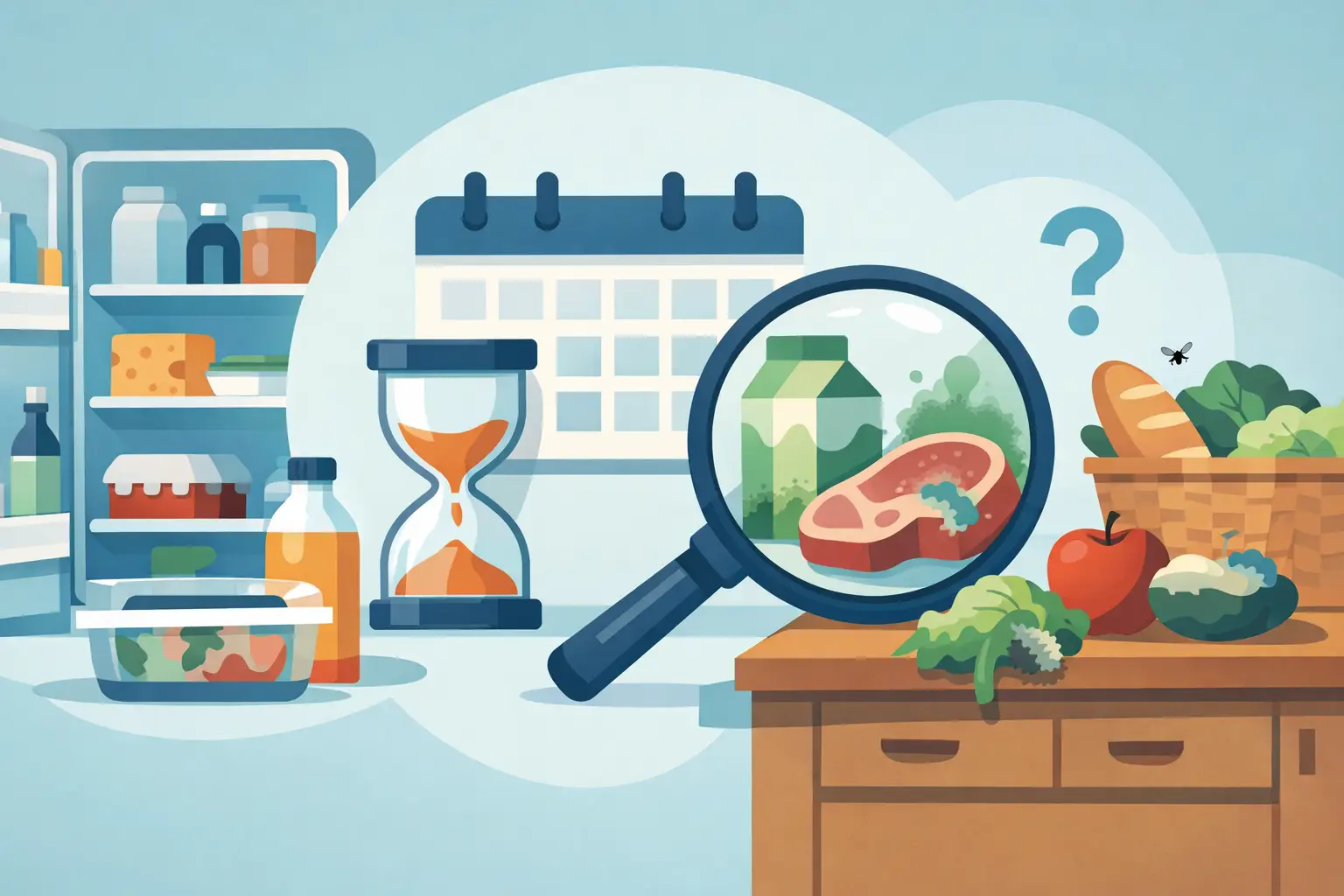
A carton of yogurt says it is past date, a bag of spinach looks slightly tired, and dinner is 30 minutes away. This is where food expiration dates often create more stress than clarity. Many dates are useful quality signals, but they are not automatic instructions to throw food away.
Reading them well can save money, reduce waste, and make meal planning easier. The key is to pair the label with what you can see, smell, and know about how the food has been stored.
Food expiration dates are not all the same
The wording on a package matters. In the United States, most date labels are set by manufacturers to communicate peak quality, not a federally regulated safety cutoff. That means a date can tell you when a product may taste its best, while still leaving room for safe, practical judgment afterward.
A Best if Used By or Best By date is usually about quality. After that date, cereal may lose some crunch, crackers may be less crisp, or canned soup may not be at its absolute best. It does not necessarily mean the food is unsafe.
A Sell By date is mainly for the store. It helps retailers manage inventory and gives shoppers a sense of how long a product may keep at home when stored properly. A gallon of milk with a sell-by date is not meant to be discarded the next morning.
A Use By date deserves more attention, but context still matters. It is often the manufacturer’s recommendation for best quality. The major exception is infant formula: its use-by date is a safety requirement, and formula should not be used after that date. Some states also have their own rules for date labels on particular foods, so requirements can vary.
The practical takeaway is simple: treat the label as one useful data point, not the whole decision.
Start with storage, not the calendar
A date only means something when food has been stored as intended. A package that sat in a hot car for two hours may spoil faster than its label suggests. On the other hand, a properly chilled, unopened product may be fine beyond a quality date.
Keep your refrigerator at 40°F or below and your freezer at 0°F. Those temperatures slow bacterial growth and protect flavor and texture. If you are not sure your fridge runs cold enough, an inexpensive refrigerator thermometer can give you a clearer answer than a dial setting.
Put highly perishable foods away first after grocery shopping. Raw meat, seafood, dairy, eggs, and prepared foods should not linger on the counter. Refrigerate leftovers within two hours, or within one hour if the temperature is above 90°F.
Where food sits in the fridge also affects how long it lasts. The door is the warmest area, so keep milk, yogurt, meat, and leftovers on interior shelves. Store raw meat on a lower shelf in a container or tray, which prevents drips from reaching ready-to-eat foods.
For produce, avoid one-size-fits-all storage. Berries, leafy greens, and herbs benefit from refrigeration and gentle airflow. Tomatoes, bananas, avocados, and stone fruit can often ripen better on the counter first. Once ripe, move what you will not use soon into the fridge to buy yourself a little more time.
How to decide whether food is still good
Your senses are valuable, but they are not a complete safety test. Mold, a sour odor, sliminess, swelling, leaks, and unexpected color changes are clear reasons to discard food. If a refrigerated product has been left out too long, do not rely on smelling it. Harmful bacteria do not always announce themselves.
Use the package date, storage history, and food type together. A shelf-stable pantry item past its best-by date may simply have lost quality. An opened jar of pasta sauce that has been sitting in the fridge for weeks is a different call. Once a package is opened, its clock changes because it is exposed to air, utensils, and kitchen microbes.
Be especially cautious with foods that support rapid bacterial growth: raw or cooked meat, poultry, seafood, deli meats, unpasteurized foods, soft cheeses, and cooked rice or pasta. When in doubt about a perishable food’s storage history, it is safer to let it go.
One common mistake is trimming mold off soft foods. Mold can spread below the surface of bread, berries, yogurt, cooked leftovers, and soft produce, even when you cannot see it. Discard those items. With firm produce such as a hard carrot or cabbage, you can sometimes cut at least one inch around and below a small moldy spot, as long as the rest is firm and unaffected. When the food is soft, wet, or heavily moldy, do not try to rescue it.
Use practical time limits for leftovers
A label date does not replace a leftover plan. Most cooked leftovers are best used within three to four days in the refrigerator. That includes cooked chicken, chili, roasted vegetables, rice dishes, and takeout.
Make the timing easy to see. Write the date on a container or use a small piece of tape. This takes seconds and avoids the familiar mystery-container problem later in the week.
If you will not eat leftovers within that window, freeze them while they are still in good condition. Freezing pauses the safety clock, though flavor and texture can gradually decline. Soups, sauces, beans, cooked grains, shredded chicken, and sliced bread freeze especially well. Delicate greens and creamy sauces may not return with the same texture, but they can still work in cooked dishes.
A useful rhythm is to plan one flexible meal before your next grocery run. Turn roasted vegetables into tacos, blend aging herbs into a sauce, add leftover grains to a soup, or use odds and ends in an omelet. These meals are not backup plans. They are often the fastest way to clear the fridge and avoid another round of waste.
Build a kitchen system that makes dates useful
You do not need to inspect every package daily. A simple routine works better than a complicated tracking system you will abandon after a week.
When you unpack groceries, place older items toward the front and newer items behind them. This first-in, first-out approach makes the foods that need attention easiest to see. Keep a small “use soon” area in your fridge for produce, open dairy, leftovers, and partial ingredients.
Check that area before choosing a recipe. If you have spinach, half an onion, cooked rice, and eggs, that is already a meal direction. Ingredient-first cooking changes the question from “What sounds good?” to “What can I make before this goes to waste?” Quicine is built around that kind of decision: start with what is already in your kitchen, then turn it into something useful.
It also helps to separate date labels from your own purchase dates. For foods without a clear package date, such as bakery bread, bulk items, or farmers market produce, write down when you bought or opened them. You do not need perfect records. Even a rough note like “opened Monday” makes future decisions faster.
When the date matters less, and when it matters more
Dry pasta, rice, canned goods, unopened snacks, and many frozen foods often remain usable after a best-by date if the packaging is intact and they have been stored in a cool, dry place. Quality may fade first. Watch for damaged cans, broken seals, pests, unusual odors, or signs of moisture.
Refrigerated and ready-to-eat foods require a tighter margin. Deli salads, fresh juice, smoked fish, cut fruit, and prepared meals should be handled with more caution, particularly after opening. If you are cooking for someone who is pregnant, elderly, very young, or immunocompromised, take an even more conservative approach with perishable foods.
The goal is not to eat food that should be discarded. It is to stop treating every printed date as a verdict. Better storage, a quick fridge check, and a plan for the ingredients you already own can turn food expiration dates from a source of uncertainty into a useful prompt for tonight’s dinner.