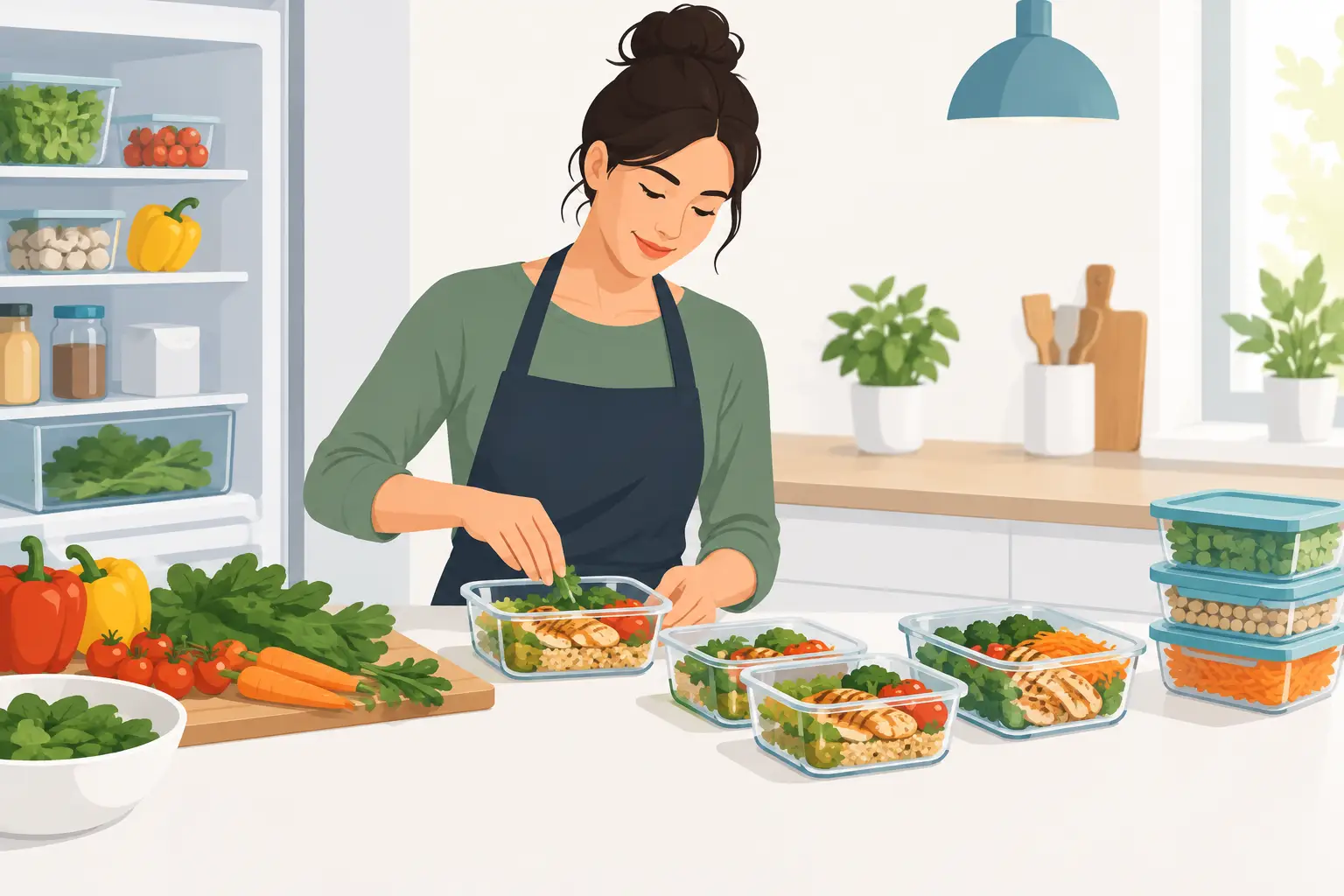
A bag of spinach in the crisper, half a rotisserie chicken, rice from Tuesday, and a few carrots can look like a random collection of leftovers. With the right meal prep approach, they are the start of several easy meals. The goal is not a fridge full of identical containers. It is making your groceries work harder before they spoil.
For busy home cooks, the best system reduces two common problems: the 6 p.m. question of what to make and the quiet waste of food that gets forgotten in the back of the refrigerator. A little structure helps with both, without turning Sunday into a full-time cooking job.
Rethink meal prep as ingredient prep
Traditional meal prep often means cooking five complete lunches on one day. That works for some people, especially if they like routine and have reliable access to a microwave. But it can get repetitive fast. It also creates waste when plans change, a dinner invitation comes up, or you simply do not want the meal you made three days ago.
A more flexible option is to prepare useful components instead of locking yourself into finished dishes. Cook a pot of grains, roast a tray of vegetables, wash and chop sturdy produce, and make one protein that can go in several meals. Those components can become grain bowls, tacos, salads, wraps, fried rice, or a quick skillet dinner.
This approach gives you a head start while leaving room for appetite, schedules, and the ingredients that need attention first. It is also a better fit for a household where not everyone wants the same lunch.
Start meal prep with a kitchen check
Before writing a grocery list, look in the refrigerator, freezer, and pantry. This step takes a few minutes, but it prevents buying duplicates and helps you rescue food while it is still at its best.
Pull forward anything that is especially perishable: leafy greens, herbs, berries, opened dairy, cooked proteins, and leftovers. Then group what you find into a few simple categories: proteins, vegetables and fruit, starches, sauces, and meal starters such as canned beans, eggs, tortillas, or broth.
You do not need to inventory every spice. Focus on ingredients that influence what you should cook this week. If you have broccoli, mushrooms, and a nearly full carton of eggs, that points toward a frittata or stir-fry. If you have cooked rice, frozen peas, and leftover chicken, fried rice is the obvious low-effort option.
A practical order of use helps, too. Plan meals around foods that are most delicate first, then use longer-lasting produce later. Tender greens and fresh fish belong early in the week. Carrots, cabbage, potatoes, and frozen vegetables can wait. This one habit makes meal planning less about rules and more about timing.
Build a flexible meal prep plan
Choose two or three meal formats, rather than six separate recipes. A format is a repeatable framework that adapts to what you have. Think tacos, bowls, pasta, sheet-pan dinners, soups, salads, or sandwiches.
For example, a single prep session could include roasted sweet potatoes and peppers, seasoned ground turkey, cooked quinoa, shredded cabbage, and a yogurt-lime sauce. On the first night, make bowls. The next day, use the same ingredients in tacos. Later in the week, turn the remaining turkey and vegetables into a skillet hash with eggs.
When deciding what to prepare, aim for a small mix of ready-to-eat and ready-to-cook food. Ready-to-eat options, like washed grapes, hard-boiled eggs, or a bean salad, make snacks and lunches easier. Ready-to-cook options, like chopped onions or marinated chicken, make dinner faster while preserving more variety.
It helps to prepare one easy backup meal as well. Keep a freezer-friendly soup, ravioli, cooked beans, or a simple pasta sauce on hand for the night when your plan falls apart. A backup is not a failure of planning. It is what makes the plan realistic.
Cook once, season in different directions
The quickest route to meal fatigue is giving every component the same flavor from the start. Plain or lightly seasoned building blocks are easier to reuse. Save strong sauces, fresh herbs, cheese, and crunchy toppings for the moment you eat.
Roasted vegetables can go Italian with marinara and mozzarella, Mediterranean with chickpeas and lemon, or Southwest-style with black beans, salsa, and avocado. Cooked chicken can become a sandwich filling, a noodle bowl, or a quick soup depending on the seasoning you add later.
This is where a personal kitchen assistant can be useful. Quicine can help turn the ingredients already in your kitchen into meal ideas, so you do not have to search for a recipe that assumes you bought a completely different set of groceries.
Flavor flexibility matters most when you are prepping for more than one person. One base can support different toppings and sauces, so dinner does not have to become a negotiation. Set out the components, then let everyone build a plate that works for them.
Store food so you will actually use it
Good meal prep can still fail if prepared food disappears into opaque containers. Put foods you need to use first at eye level in clear containers when possible. Labeling cooked items with the date is especially helpful if your refrigerator tends to collect mystery leftovers.
Cool cooked food promptly and divide large batches into smaller containers so they chill faster. Store sauces separately when they could make other ingredients soggy. Keep crunchy items, such as nuts, croutons, and tortilla strips, outside the main container until serving.
Pay attention to texture, not just safety. Cut apples may brown, dressed greens may wilt, and cooked pasta can absorb sauce over time. For a meal you want to eat several days later, store sensitive components separately. It takes one extra container, but it can make the difference between a lunch you look forward to and one you avoid.
If you know you will not use a batch within a few days, freeze part of it early. Freezing on day one is usually better than waiting until food is already losing quality. Soups, cooked grains, beans, shredded meat, and sauces are especially useful freezer portions.
Give your plan a midweek reset
Meal prep does not need to be a once-a-week event. A 10-minute check on Wednesday can save more food than a major Sunday session. Look at what is left, choose one ingredient that needs to be used, and adjust the next two meals around it.
Maybe the plan was grain bowls, but now you have extra roasted vegetables and no interest in another bowl. Blend them into soup, fold them into eggs, add them to quesadillas, or stir them into pasta. The point is to keep ingredients moving, not to follow a menu perfectly.
This reset is also a good time to wash another batch of produce, thaw a freezer portion, or cook a fresh protein if the first one is gone. Small course corrections keep food from piling up and make the rest of the week feel less managed.
What not to prep ahead
Some foods are better left for later. Delicate salads, crispy fried foods, avocado, and dishes with a lot of fresh herbs can lose their appeal quickly. If texture is central to the meal, prepare the ingredients but assemble close to eating.
There is also no need to prep foods you already enjoy making fresh in minutes. An omelet, a simple sandwich, or a quick skillet meal may be faster and better when made on demand. Prep the slow parts instead: chop the vegetables, cook the grains, portion the leftovers, and keep the rest easy.
The most useful meal prep is the one you will eat. Start with a few ingredients that need using, give them more than one possible destination, and let the plan bend when your week does. Your refrigerator will feel less like a graveyard for good intentions and more like a helpful place to begin dinner.