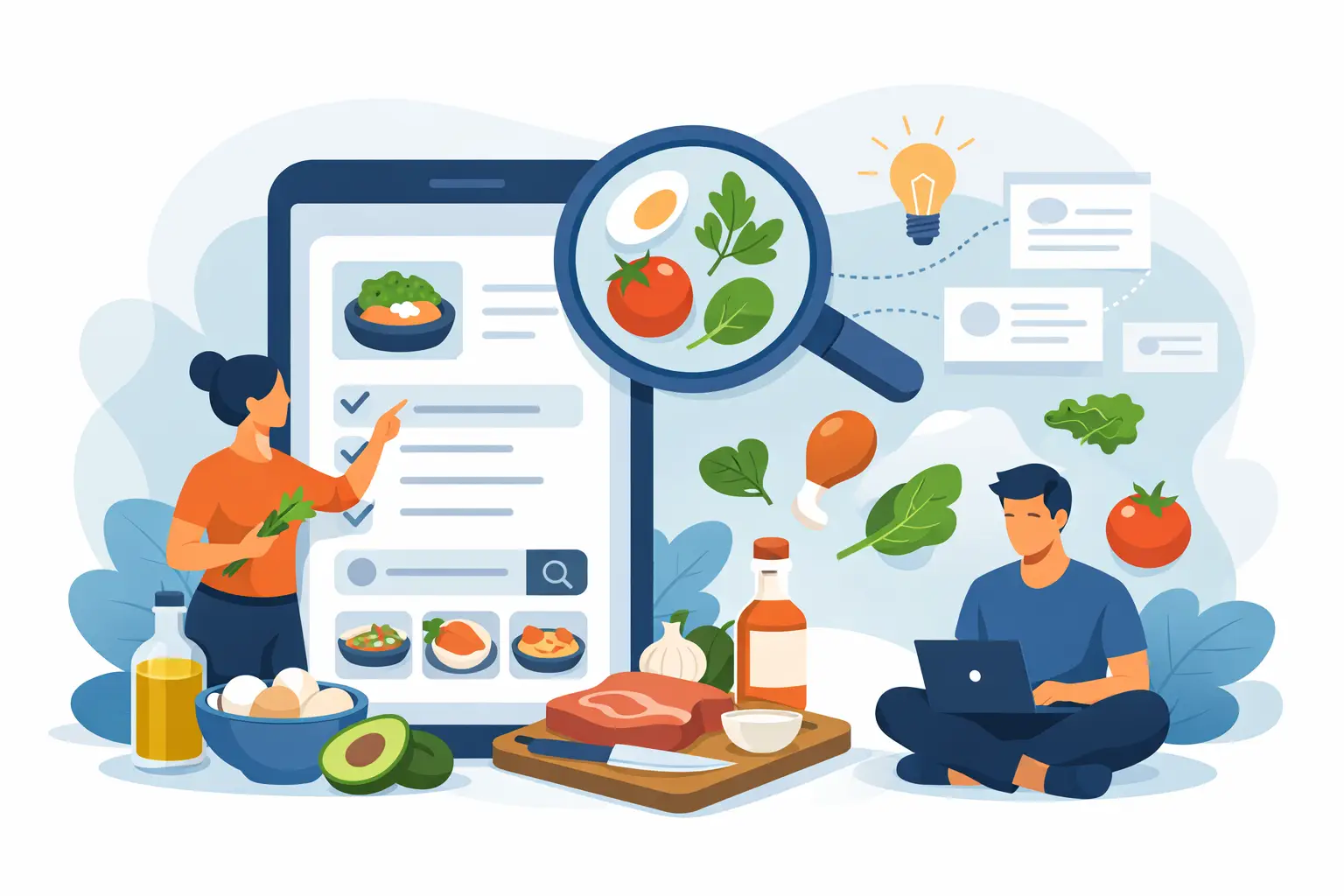
The bag of spinach is wilting, half an onion is wrapped in the fridge, and dinner needs to happen soon. This is exactly where a recipe finder by ingredients earns its place in your kitchen. Rather than shopping for a recipe, you start with what you already bought and turn it into a useful meal.
That small change solves more than one problem. It reduces the nightly question of what to cook, helps you use food before it spoils, and makes each grocery run go further. You do not need a perfectly stocked pantry or restaurant-level skills. You need a clear way to see possibilities in the ingredients already waiting for you.
What a recipe finder by ingredients does
A traditional recipe search begins with a finished dish: chicken tacos, baked pasta, vegetable soup. That works when you know what you want and are willing to buy what is missing. Ingredient-first cooking reverses the process. You enter the ingredients you have, then look for meals that fit them.
The best results are not always recipes that use every single item in your kitchen. They are recipes that prioritize the foods most likely to go to waste while relying on flexible basics such as oil, salt, spices, rice, pasta, eggs, or canned beans. A few missing ingredients can be fine if they are optional, easily substituted, or already part of your usual staples.
Think of it as a decision tool, not just a search bar. A good recipe finder helps answer practical questions: What should I use first? Can these leftovers become lunch? Is this enough for a complete meal? What can replace the ingredient I do not have?
Start with the ingredients that need attention
Not all food in your kitchen has the same deadline. Before searching, take 60 seconds to identify what needs to be used first. This keeps the process focused and prevents a familiar mistake: making a meal from shelf-stable items while fresh produce quietly passes its best point.
Start with delicate produce, opened dairy, cooked leftovers, herbs, and proteins with a near sell-by or use-by date. Then add ingredients that can shape the meal, such as a grain, a sauce, tortillas, or canned tomatoes.
A short ingredient list often works better than entering everything you own. Try three to five key items, such as chicken thighs, broccoli, Greek yogurt, and rice. This gives you relevant options without creating an overly narrow search. If a recipe calls for lemon and you have vinegar, or calls for kale and you have spinach, treat that as a useful direction rather than a dead end.
Check quality, not just dates
Dates on packaged foods are helpful, but they do not tell the whole story. Look, smell, and feel matter too. Limp greens can still work well in soups, eggs, stir-fries, and sauces. Soft tomatoes are ideal for roasting or quick pasta sauce. Slightly stale bread can become croutons, breadcrumbs, or baked French toast.
That said, ingredient-first cooking is not a reason to take risks with food safety. Discard food with mold where it should not be, strong off odors, a slimy texture, or signs of spoilage. Saving food is useful. Serving questionable food is not.
Build meals around flexible cooking patterns
The easiest way to get better results from a recipe finder is to recognize meal patterns. These are forgiving formats that accept substitutions without losing their purpose. They also make it easier to use smaller amounts of several ingredients in one meal.
A stir-fry can absorb odds and ends of vegetables, cooked rice, leftover meat, tofu, and a simple sauce. A frittata or scramble handles eggs, vegetables, herbs, cheese, and cooked potatoes. Soup makes room for beans, broth, grains, greens, and almost any vegetable that is still in good condition.
Other reliable patterns include sheet-pan dinners, grain bowls, pasta, tacos, quesadillas, wraps, and savory baked dishes. The right choice depends on what you have and how much time you can give dinner. A sheet-pan meal is low effort but may take longer to roast. A stir-fry cooks quickly but asks for a little more active attention. Soup is excellent for using produce, though it is less useful when you need a crisp, fast meal.
Once you see these patterns, recipes become less rigid. You are no longer asking, “Do I have every ingredient?” You are asking, “What job is each ingredient doing?”
Make smart substitutions without guessing
Substitutions work best when you replace an ingredient by function. If a recipe needs something crunchy, try cabbage, carrots, celery, or toasted nuts. If it needs acidity, lemon juice, lime juice, vinegar, or a spoonful of pickle brine may work. If it needs creaminess, use yogurt, sour cream, blended beans, avocado, or a little cheese, depending on the dish.
For vegetables, think in broad categories. Tender greens can often trade places with one another. Broccoli, cauliflower, green beans, and zucchini can usually work in the same roasted or sautéed dish, though their cooking times differ. Root vegetables are more dense and need a longer head start than mushrooms or spinach.
Protein swaps require a little more care. Cooked chicken can replace turkey in many dishes, while beans or lentils can stand in for meat in soups, tacos, and grain bowls. Tofu works well when a dish has a flavorful sauce. The goal is not to copy the original recipe exactly. It is to make a meal that still has balance: protein, vegetables, satisfying carbohydrates, and enough seasoning to bring it together.
Use leftovers as ingredients, not repeat dinners
Leftovers become easier to use when you stop treating them as a fixed meal. Last night’s roasted vegetables can become an omelet filling, a grain bowl topping, or a blended soup. Cooked rice can turn into fried rice, rice patties, or a casserole base. A small portion of shredded chicken can stretch across tacos, salad, soup, or quesadillas.
This approach is especially helpful for households with different appetites. One serving of pasta may not feel like dinner for two, but it can become part of a larger meal with vegetables, beans, eggs, or a simple side salad.
When using a recipe finder, include leftovers in specific terms: “cooked rice,” “roasted sweet potato,” or “shredded chicken.” That produces more useful ideas than simply searching for “dinner.” It also helps you choose recipes designed for ingredients that are already cooked, so you avoid drying them out or overcooking them.
Keep a small set of kitchen connectors
Ingredient-first cooking does not mean cooking with no plan at all. A few versatile staples make your fresh ingredients much easier to use. They act as connectors between whatever is in the fridge and a complete meal.
Useful connectors include eggs, canned beans, broth, pasta, rice or another grain, tortillas, canned tomatoes, onions, garlic, cooking oil, vinegar, and a few seasonings you enjoy. You do not need all of them. Build around the foods your household actually eats.
These staples also reduce unnecessary grocery trips. If you have wilted spinach and mushrooms, eggs can turn them into breakfast-for-dinner. If you have a lone bell pepper and cooked rice, soy sauce and frozen peas can move the meal toward fried rice. If you have tomatoes and beans, broth and spices can make a quick soup.
Turn searching into a five-minute habit
A recipe finder works best before food becomes a problem. Pick one or two moments each week to scan the fridge, especially before grocery shopping and before the weekend. Add the ingredients you need to use, choose two or three realistic meal options, and make a simple plan.
Be honest about your available time. Save the 40-minute recipe for a calmer evening and choose a 15-minute bowl, pasta, or egg dish when work runs late. The best meal idea is not the most impressive one. It is the one you will actually cook before the ingredients lose their chance.
Quicine is built for this kind of everyday decision-making: helping you move from “I have random groceries” to “I know what to make” with less waste and less effort.
A fridge does not need to look perfectly organized to be useful. Start with the spinach, the half onion, and the leftovers you might otherwise forget. One practical meal is often all it takes to make cooking feel more manageable.