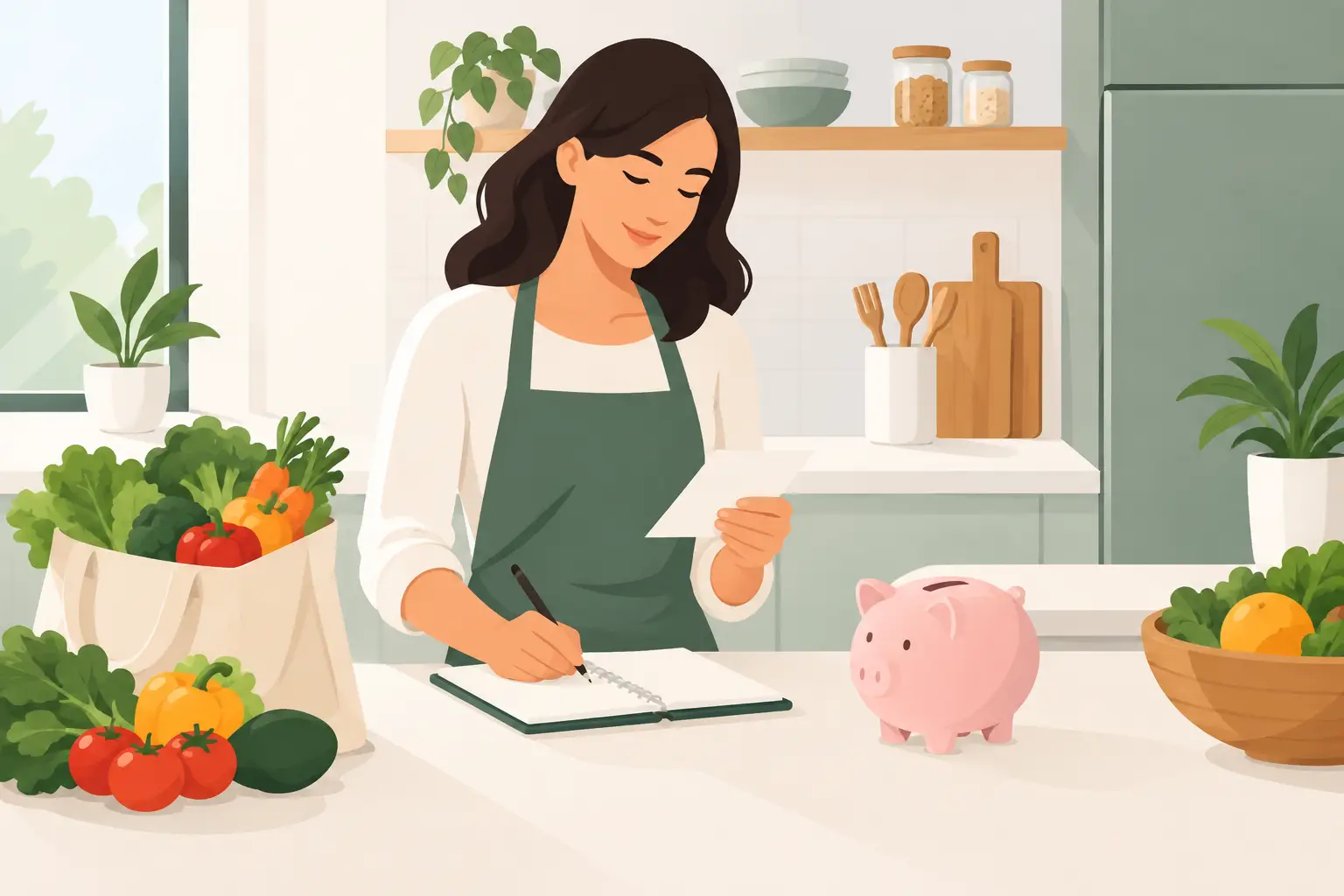
A bag of wilted spinach and a forgotten carton of yogurt can make a grocery bill feel bigger than it was. The problem is not always buying the wrong foods. More often, it is buying without a clear view of what is already in the kitchen. Grocery budgeting works best when it starts before you make a list and continues until the last ingredient gets used.
That approach is practical, not restrictive. You do not need to eat the same meals every week or track every cent to make meaningful progress. A few small kitchen habits can reduce duplicate purchases, rescue perishables, and make your grocery money go further.
Grocery Budgeting Is Really Food Management
A grocery budget is often treated as a shopping problem: set a number, search for sales, and spend less at checkout. Those steps help, but they only cover part of the picture. If $12 of produce spoils before you cook it, a sale did not save you money.
The more useful goal is to get more meals, snacks, and ingredients from every grocery trip. That means planning purchases around your real week, not an ideal one. A household with late work nights, kids' activities, or weekend travel needs a different plan than one with time to cook every evening.
Start by choosing a weekly grocery amount that feels realistic. Look at the last month of grocery spending if you can. Include food delivery, quick convenience-store stops, and the ingredients you buy for meals that never happen. Then set a target that is modestly lower, rather than cutting so aggressively that it pushes you toward takeout.
Check Your Kitchen Before Making a List
The fastest way to avoid overspending is a short inventory. You do not need a spreadsheet or a perfectly organized pantry. Spend five minutes checking three places: the refrigerator, freezer, and pantry.
Look first for foods with a short window left: tender herbs, greens, berries, opened dairy, cooked rice, leftover chicken, and half-used sauces. These ingredients should shape the next few meals. Then check staples that can complete them, such as eggs, pasta, canned beans, tortillas, broth, or frozen vegetables.
A useful shopping list has two parts. The first is what you need to use what is already on hand. The second is a short list of basics that support the week. For example, if you have broccoli, rice, and soy sauce, your list may only need eggs and scallions for fried rice. That is more efficient than buying ingredients for an unrelated recipe.
This is also where ingredient-first cooking helps. Instead of asking, “What recipe should I shop for?” ask, “What can I make from the food I need to use?” Quicine is built around that simple shift, turning available ingredients into workable meal ideas when dinner decisions need to happen fast.
Plan Fewer Meals Than You Think You Need
Overplanning is a quiet budget leak. It is easy to buy ingredients for seven dinners, then realize you ate leftovers twice, accepted a last-minute invitation, or had no energy to cook on Thursday.
For most households, planning three to five dinners is enough. Leave room for leftovers, pantry meals, and one flexible night. This does not mean eating less well. It means giving your actual schedule a place in the plan.
Choose meals that share ingredients without becoming repetitive. A bunch of cilantro can work in tacos one night, a grain bowl the next, and a quick sauce or salad later in the week. Roasted vegetables can become a side dish, a pasta addition, or a filling for wraps. When one ingredient has several jobs, it is less likely to become waste.
Build in a Use-It-Up Meal
Give one meal each week a purpose: clear the refrigerator. Fried rice, frittatas, soups, pasta skillets, tacos, grain bowls, and sheet-pan dinners are all flexible formats. They do not demand exact ingredients, which is why they are so useful for grocery budgeting.
Keep the formula simple. Start with a base such as rice, pasta, potatoes, bread, or greens. Add a protein, vegetables, and a flavor builder like pesto, salsa, cheese, spices, or a sauce. The result does not need to look like a planned recipe to be satisfying.
Buy Perishables With a Timeline
Fresh food is valuable, but it needs an order. Buy a mix of ingredients based on when you will use them rather than placing everything into the refrigerator and hoping for the best.
Use delicate foods early in the week. Berries, salad greens, fresh fish, avocados, and tender herbs are usually best for the first few days. Save sturdy produce such as carrots, cabbage, sweet potatoes, onions, and apples for later. Frozen vegetables, canned goods, and pantry staples provide backup when plans change.
This is not a rule against fresh produce. It is a way to buy it with intention. If you want salad ingredients but know you will be away for two nights, choose cabbage or kale over fragile spring mix. If your family regularly skips fresh bananas but eats them in smoothies, peel and freeze overripe ones before they become another loss.
Storage matters, too. Put foods that need using soon at eye level. Store leftovers in clear containers when possible, label them with the date, and move older items to the front. The goal is not a picture-perfect refrigerator. It is making the next good decision obvious.
Shop With a Flexible Price Plan
Prices vary by store, season, and location. A realistic grocery budget needs some flexibility, especially for produce and proteins. Rather than locking yourself into one exact meal, choose a category and keep a backup option.
If chicken thighs are more expensive than expected, ground turkey, beans, eggs, or tofu may fit the plan. If asparagus is pricey, choose broccoli, green beans, or frozen peas. Build meals around techniques and flavors you enjoy, not one nonnegotiable ingredient.
Sales can be useful when they match your household's habits. A large package is only a bargain if you will use it, freeze it, or share it. Before buying a bulk item, ask a simple question: Where will this go, and when will we eat it? If the answer is vague, the lower unit price may still cost more overall.
It also helps to keep a small list of your reliable low-cost meals. Think bean quesadillas, pasta with vegetables, baked potatoes with toppings, lentil soup, egg sandwiches, or stir-fry. These meals are not a fallback because you failed to plan. They are part of a smart system that protects your budget when a week gets busy.
Make Leftovers Part of the Budget
Leftovers are only valuable when they are easy to find and appealing to eat. A container pushed behind the milk is not a meal plan.
After dinner, portion leftovers before putting them away. Decide whether they are tomorrow's lunch, a component for another dinner, or something to freeze. A little roasted chicken can become a sandwich filling, soup addition, or quesadilla. Extra cooked vegetables can go into eggs or pasta. This small decision prevents food from becoming a mystery container.
If leftovers are unpopular in your household, transform them instead of serving the same plate twice. Change the format, add a fresh sauce, or combine them with a new base. The goal is not to force anyone through a dull meal. It is to respect the money and effort already spent.
Review the Week Without Judging It
At the end of the week, take two minutes to notice what was used and what was not. Maybe you always run out of snack foods but throw away salad greens. Maybe meal kits work for your schedule, but large produce hauls do not. Maybe you need more freezer meals and fewer ambitious Sunday purchases.
These are useful signals, not failures. Grocery budgeting improves when it reflects your real cooking habits. You can spend less without turning food into a constant calculation. Start with what is in your kitchen, buy for the week you actually have, and give every ingredient a clear next step.