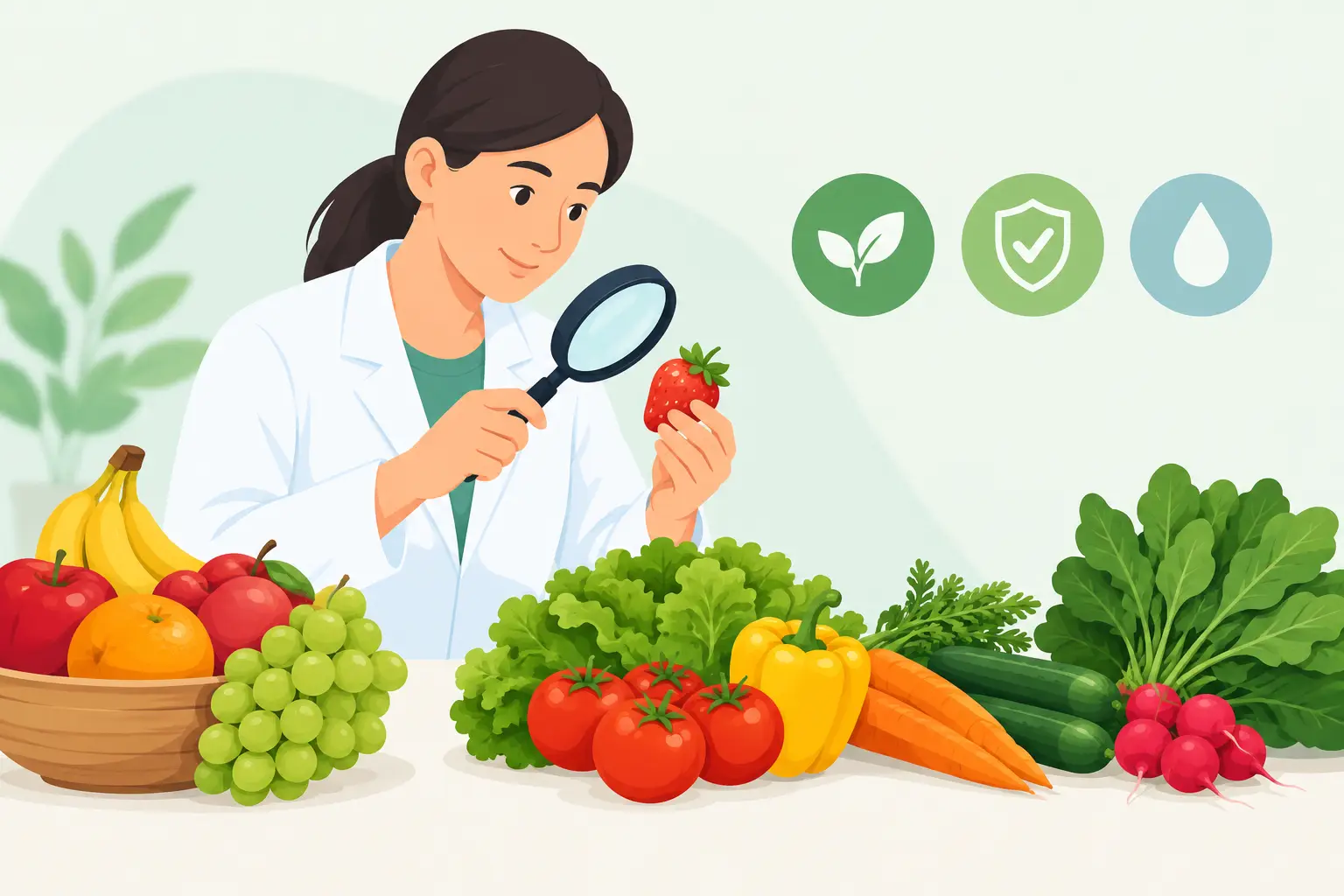
A wilted bunch of spinach does not always belong in the trash, and a shiny apple is not always at its best. A quick produce freshness test helps you make the call before dinner: use it now, save it for later, or compost it. That means fewer mystery items in the crisper drawer and more meals built around what you already bought.
The goal is not to inspect every cucumber like a food scientist. It is to notice a few reliable signals - appearance, texture, smell, and storage time - then choose the next useful step. Freshness is not always a yes-or-no question. Many fruits and vegetables move gradually from great for snacking, to perfectly good for cooking, to no longer safe to eat.
The Produce Freshness Test: Four Checks That Matter
Start with your senses. Look at the produce in good light, gently feel it, and smell it if that makes sense for the item. You are looking for change, not perfection. A carrot with a bend in it is different from a carrot with wet rot. A brown spot on a banana is different from fuzzy mold.
1. Look for mold, leaking, and spreading damage
Visible mold is the clearest warning sign. On soft, high-moisture produce such as berries, tomatoes, peaches, cucumbers, leafy greens, and cooked vegetables, discard the affected item. Mold can spread below the surface even when you only see a small patch.
Firm produce is a little different. On a hard cabbage, bell pepper, carrot, or apple, a small isolated bruised or damaged area can sometimes be cut away generously, as long as there is no mold, bad odor, or soft decay around it. When in doubt, especially if the produce is soft or wet, throw it out.
Also watch for leaking liquid, collapsed skin, or dark areas that are growing quickly. These usually signal breakdown rather than harmless cosmetic damage.
2. Check the texture, not just the color
Texture often tells you more than color. Fresh lettuce and herbs should feel crisp or springy. Broccoli should have tight florets. Green beans should snap. A zucchini should be firm, and a cucumber should not feel slippery.
Some softening is normal and usable. Slightly wrinkled bell peppers, carrots, mushrooms, or apples can still work well in cooked meals. Roast them, blend them into soup, sauté them for tacos, or add them to a stir-fry. Their texture may not be ideal raw, but heat can make them useful again.
The line to watch is sliminess. Slimy greens, slippery cucumbers, mushy berries, or vegetables that collapse when pressed are past their prime. Do not try to cook away spoilage.
3. Smell for sour, fermented, or musty odors
Most fresh produce has little scent, or it smells like itself: grassy herbs, earthy mushrooms, citrusy lemons. A sour, alcoholic, fermented, or musty smell is a reason to stop and inspect more closely.
This test is especially helpful for bagged greens, berries, cut melon, and mushrooms. If an item smells off, do not rely on appearance alone. Food can begin breaking down before it looks dramatically different.
4. Consider how long it has been stored
Time matters because even well-stored produce has a window. If you bought delicate berries or salad greens more than a week ago, check them before planning around them. If you have had onions, potatoes, winter squash, or whole cabbage for weeks, they may still be fine, but they deserve a closer look.
Do not use a calendar as the only test. Storage conditions change everything. A berry container left warm in the car ages much faster than one refrigerated promptly. A bag of greens stored dry with airflow lasts longer than one trapped against moisture.
What “Use Soon” Looks Like
A produce freshness test is most useful before food becomes waste. The best time to act is often when an ingredient is no longer perfect but is still safe and flavorful enough to cook.
Use these items within a day or two: limp leafy greens with no slime, mushrooms that are a little dry or darkened, peppers beginning to wrinkle, soft tomatoes without mold, ripe avocados, and bananas with heavily spotted peels. These are your meal-planning priorities.
Think in cooking methods, not just recipes. Soft tomatoes become sauce. Wilting spinach can go into eggs, pasta, soup, or a smoothie. Older herbs can become a quick green sauce, dressing, or freezer-ready herb oil. A few tired vegetables can become a sheet-pan dinner, fried rice, frittata, or blended soup.
This is where an ingredient-first habit helps. Instead of asking, “What do I feel like cooking?” ask, “What needs using first?” Quicine is built around that small shift: turn the food you have into a practical next meal.
Freshness Signals by Produce Type
Different produce ages in different ways, so one rule will not cover the whole drawer.
Leafy greens and herbs
Crisp leaves are freshest, but slight wilting is often reversible. Trim the stem ends, rinse in cold water, dry thoroughly, and refrigerate in a container lined with a dry towel. If leaves are slimy, smell sour, or show widespread dark decay, discard them.
Herbs with soft stems, such as cilantro and parsley, fade fast. Use them early in the week or turn them into a sauce. Woody herbs like rosemary and thyme tend to last longer, though they should still be discarded if moldy or slimy.
Berries and soft fruit
Berries can spoil quickly because they are delicate and moist. Check the bottom of the container, where crushed berries and moisture collect. Remove any moldy berries right away, but if mold is present on several berries or the container is wet and fermented-smelling, discard the batch.
Peaches, plums, and nectarines can soften dramatically as they ripen. If they smell sweet and are simply soft, eat or cook them soon. If they are leaking, moldy, or smell fermented, they are done.
Root vegetables and sturdy vegetables
Carrots, beets, radishes, potatoes, onions, and winter squash are more forgiving. Sprouted potatoes or onions are often still usable if they are firm and free from mold or decay. Cut away sprouts and any damaged sections. Discard potatoes that are green, very soft, heavily shriveled, or bitter.
Carrots and radishes may become rubbery. They are still good candidates for roasting, soup, or stock if they are clean, firm enough to cut, and free from slime or mold.
Tomatoes, cucumbers, and peppers
These are common “almost wasted” ingredients. Wrinkled peppers and soft tomatoes are usually cooking ingredients, not trash. Cucumbers deserve more caution: once they become slimy, wet, or sour-smelling, discard them.
For tomatoes, small surface splits are usually manageable if the flesh is firm and clean. Mold near the stem, leaking juice, or a sour smell means it is time to toss them.
Store Produce to Make the Test Easier
Better storage gives you clearer freshness signals and more time to use what you buy. Keep refrigerator produce dry, and avoid washing it until you are ready to use it unless you can dry it completely. Excess moisture speeds up decay, especially for berries and greens.
Give delicate items a quick check when you unpack groceries. Remove damaged berries from the container, take rubber bands off greens, and keep herbs from getting crushed in a crowded drawer. Store bananas, tomatoes, potatoes, onions, and whole winter squash away from direct sun. Refrigerate cut fruit and vegetables promptly in covered containers.
It also helps to place “use soon” produce where you will see it. Put the soft avocado, open bag of spinach, or aging mushrooms at eye level. Food waste often starts with simple invisibility.
When You Should Not Take Chances
A freshness test can reduce waste, but it should never encourage risky eating. Discard produce with visible mold on soft items, slime, a strong off odor, leaking decay, or unusual discoloration paired with softness. Never taste questionable food to test whether it is safe.
If you are serving someone pregnant, elderly, very young, or immunocompromised, be especially cautious with damaged produce and ready-to-eat items such as bagged salads and pre-cut fruit. The cost of replacing an ingredient is smaller than the cost of foodborne illness.
The most useful kitchen habit is simple: check your produce before you make a grocery list and again when you decide what to cook. A two-minute scan can turn a fading vegetable drawer into tonight’s dinner - and keep good food from becoming tomorrow’s trash.